
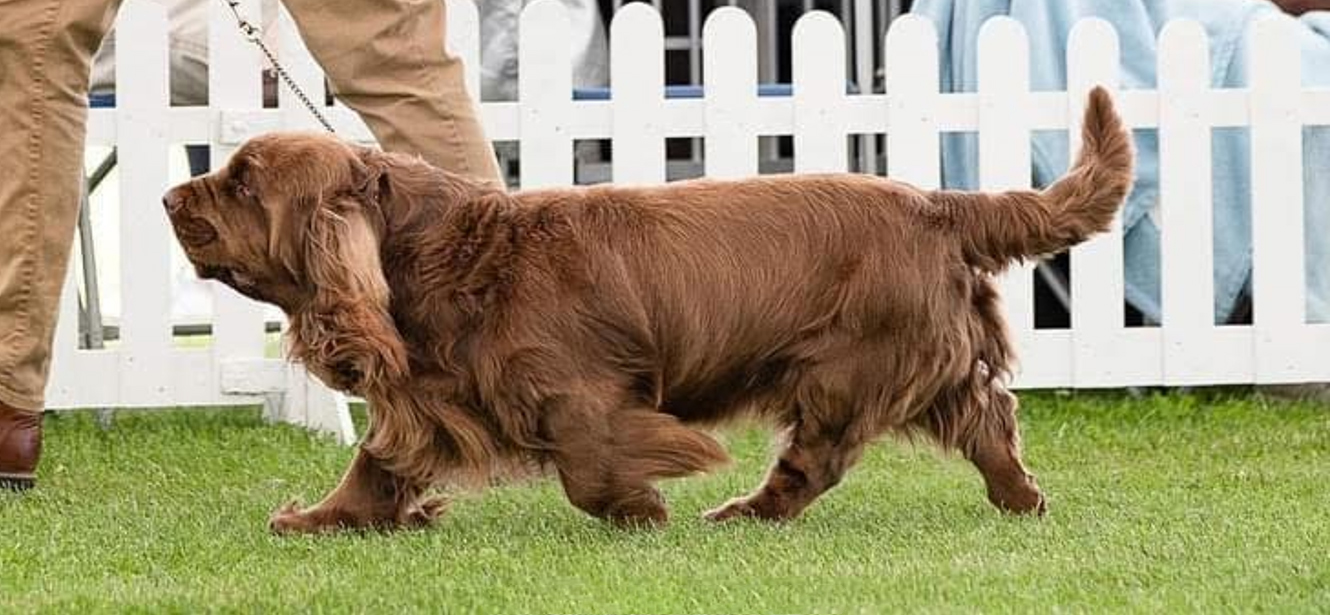
So, you think you’d like to get involved in dog showing? The first thing to do is go to shows and watch what happens. Decide if this is something you really want to do. There are many shows you can go along to. Just look at the SSA show calendar and you’re bound to find a show near you. Also, the SSA holds two shows a year in April and September, oh and don’t forget Crufts (held in March) for a full-on, immersive, showing experience.
Next, speak to you breeder. Ask them if they think your dog is suitable for showing and take their advice. Even if they think your dog isn’t suitable for the show ring there’s lots of other things you can do with your Sussex: agility, companion shows, gundog training, tracking, parkour to name just a few and remember, even if your dog is suitable for showing, they may not like to do it, so be aware of their needs as much as yours.
If you go to shows you will see that dogs are stood and moved in a certain way and are then ‘gone over’ (where the dog is examined by the judge by running their hands over the dog as they stand still). They need training to do this, and this is called ‘ringcraft’. There are many ringcraft groups across the country. Ask your breeder, the SSA or look on the Kennel Club website for a group near to you.
Ringcraft sessions will involve advice on how to move your dog, how to get it to stand correctly, be at ease when someone they don’t know touches them and most importantly, allow you to make as many mistakes as you can! At sessions you will meet a huge range of people and their dogs, so make sure your dog is well socialised and at ease meeting strangers of both the two- and four-legged variety.
You will also be taught how to show your dog and walk with it. You will be asked to walk in a triangle with the dog on your left and then up and down. Remember that any judge wants to see the dog move straight so make sure the dog is in front of the judge and not you and that your lines are straight and not wiggly!
At ringcraft sessions you will also meet loads of both experienced and people new to showing. Most people are only too happy to answer any questions about dog shows and may attend the same shows as you, so you’ll have a familiar face to talk to, show you where to go and hold your hand if necessary.
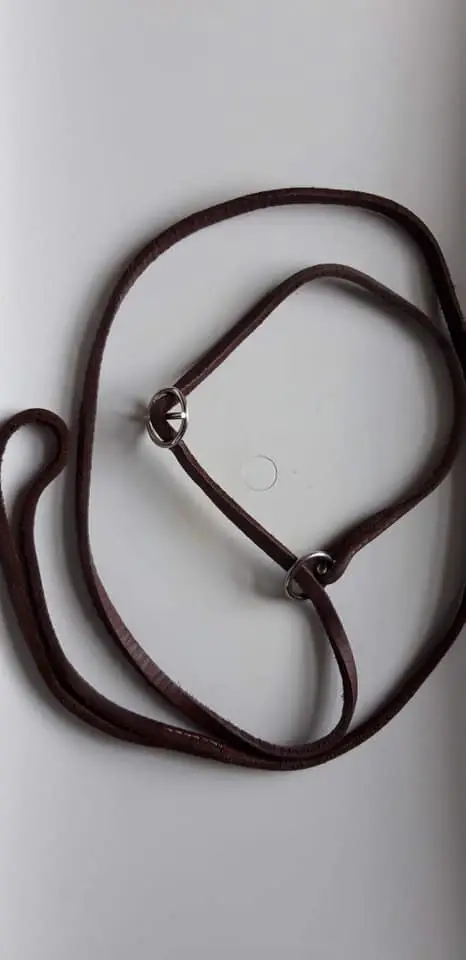
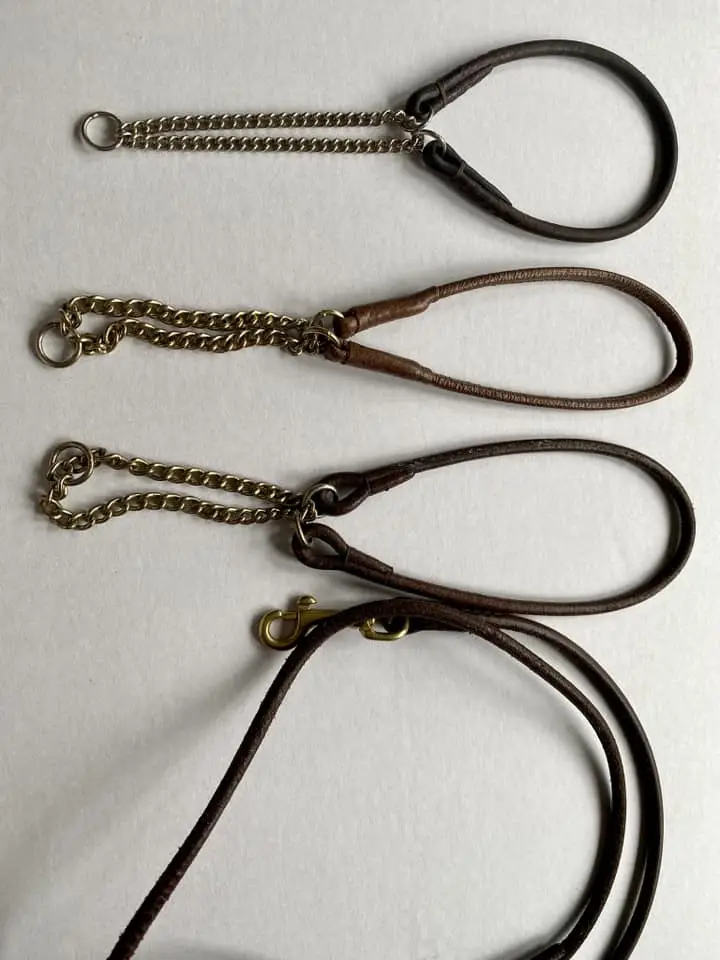
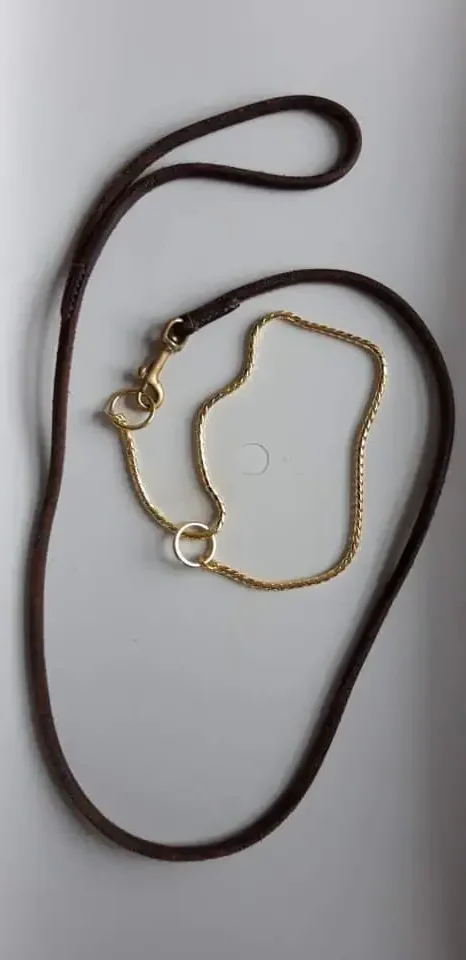
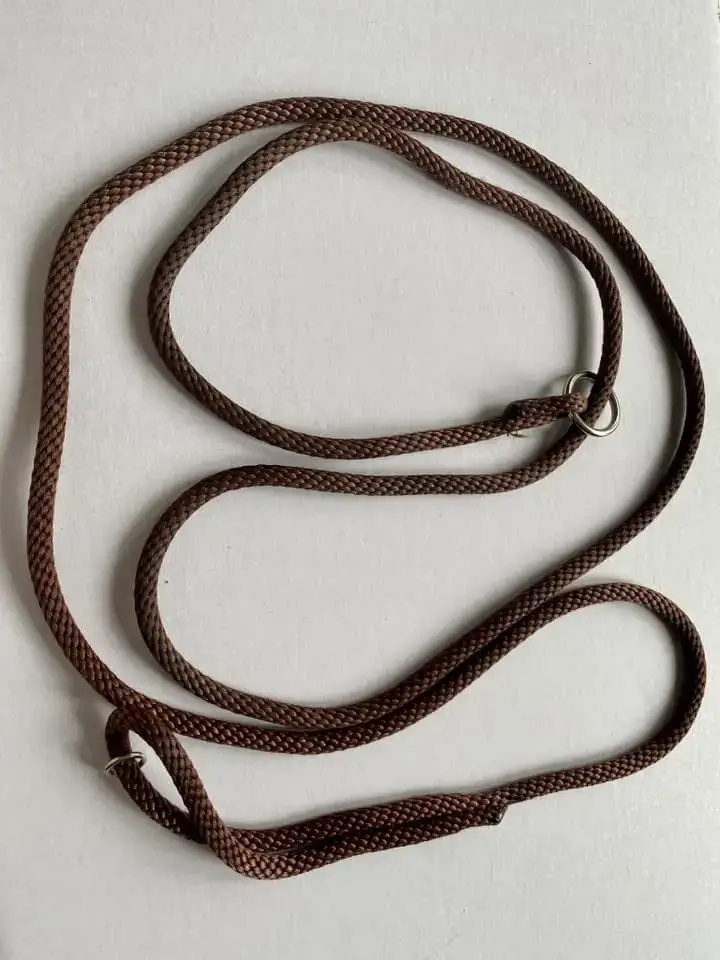
Yes, you will need a show lead for training and showing. The type of lead is personal choice. Some prefer a half check lead or leather slip lead. There are many different styles at different price points and when you are starting out there is no need to spend a lot of money on the lead. Make sure the lead is strong enough to hold your dog and comfortable for you to hold. Ringcraft classes will give advice on the best one for you.
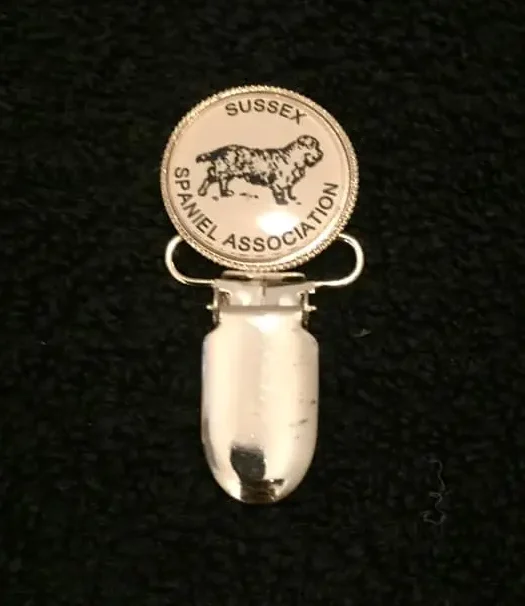
 You will also need a ring clip or arm band to attach your number to. These can be picked up cheaply although the SSA sell some lovely branded ones too.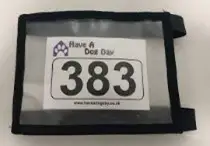
It is always good to have a crate you use just for shows with identification on it (add the owner surname and address, a phone number is not strictly required but include this in case you need to be contacted urgently).
You will also need to take grooming equipment, food/water and something to carry everything in. Some people have trolleys to help move stuff around.
Think too about what you are wearing. Remember you’ll need to be able to bend down or kneel to show your dog as well as walk around the ring. Comfy shoes are a must.
Going to shows beforehand to see what others wear will give you an idea.
There are several different websites which give the information about shows. The main ones are:
You can enter online or by post. If entering online you will need to set up an account. The SSA regularly posts show information including where you can enter.
Don’t talk to the judge unless they ask you something, even if you know them well and want to chat. Be polite, pay attention so they don’t have to ask you to move up for judging, get your dog standing (stacked) as the previous dog is moving so you have plenty of time to get ready and don’t hold the judge up.
Watch the exhibitors in front of you moving. The judge will usually ask everyone to do the same movement unless it’s a handling class, so you’ll be ready when they ask you.
Try to keep your dog standing nicely most of the time while you’re waiting to be seen just in case the judge glances over, you don’t want them to see your dog looking terrible! But remember it’s hard for them to pay attention for a long time with all those distractions so let them relax a bit too.
Give other exhibitors enough room and don’t crowd them. And ask for space if you need it.
Don’t leave food on the ground or on the table. It’s very distracting for a dog and disheartening when your dog moves nicely for you but then puts its head down to sniff for treats in the middle of it. Same with toys. Be considerate, someone else’s dog might be obsessed with the squeaky ball you’re throwing and it’s not fair.
Be a good sport. Congratulate people who placed, even if you’re disappointed because your dog didn’t do well and you thought they deserved better. Please don’t be one of those people who stand ringside and moan about every decision and how wrong the judge is. You’re allowed an opinion, but you chose to enter under that judge so respect their decision. Smile, be nice, remember at the end of the day it’s only a dog show and if a judge doesn’t like your dog’s type, it’s not personal.
Always be polite to stewards and judges and committee as they work extremely hard.
And remember it’s supposed to be fun! Don’t be mad at your dog if they didn’t place, it’s not their fault the judge doesn’t appreciate them. Reward them for doing their job, they need to enjoy it too.